
Ultimate Sundarban Tour Guide: Explore the World's Largest Mangrove Forest from Kolkata
Your definitive 2026 travel manual for exploring the UNESCO World Heritage Sundarban mangrove forest from Kolkata. Complete with boat safari guides, tiger spotting tips, watchtower itineraries, resorts, cost breakdown, and 20 FAQs.
Imagine waking up to the soft splash of oars against dark water, the air thick with the scent of wet earth and salt. Mist rises from the channels as a kingfisher darts past, and somewhere in the dense green wall of mangroves a tiger may be watching. This is the Sundarban — a place that feels ancient, wild, and alive in a way few destinations still do.
A Sundarban tour is not just another holiday. It is an immersion into the largest continuous mangrove forest on Earth, a UNESCO World Heritage Site that stretches across the border of India and Bangladesh. For travellers leaving from Kolkata, it is also one of the most accessible wilderness experiences in India. Whether you seek the thrill of a Sundarban boat safari, quiet village life, or the chance (never guaranteed) of spotting a Royal Bengal Tiger, this complete Sundarban travel guide will help you plan every detail.
What Exactly Is the Sundarban?
The name "Sundarban" comes from the Sundari tree (Heritiera fomes), once the dominant species in these forests. The region is a vast delta formed by the Ganges, Brahmaputra and Meghna rivers as they empty into the Bay of Bengal. On the Indian side, it covers roughly 4,200 square kilometres of forest and waterways within West Bengal, of which about 2,585 square kilometres form the Sundarban Tiger Reserve and National Park.
In 1987 the Indian Sundarbans was declared a UNESCO World Heritage Site. It is also a Ramsar wetland of international importance and a UNESCO Biosphere Reserve. These recognitions underline its global value: the Sundarban protects the densest population of Royal Bengal Tigers in the world, supports an extraordinary mangrove ecosystem that buffers the coast against cyclones, and sustains the livelihoods of hundreds of thousands of people who live on its fringes.
The landscape is a labyrinth of tidal rivers, creeks and mudflats. Twice a day the tide rises and falls by several metres, flooding the forest floor and then draining it again. This constant rhythm shapes everything — the trees that grow here, the animals that live here, and the way people travel.
Why Visit Sundarban? (Wildlife, Nature & Adventure)
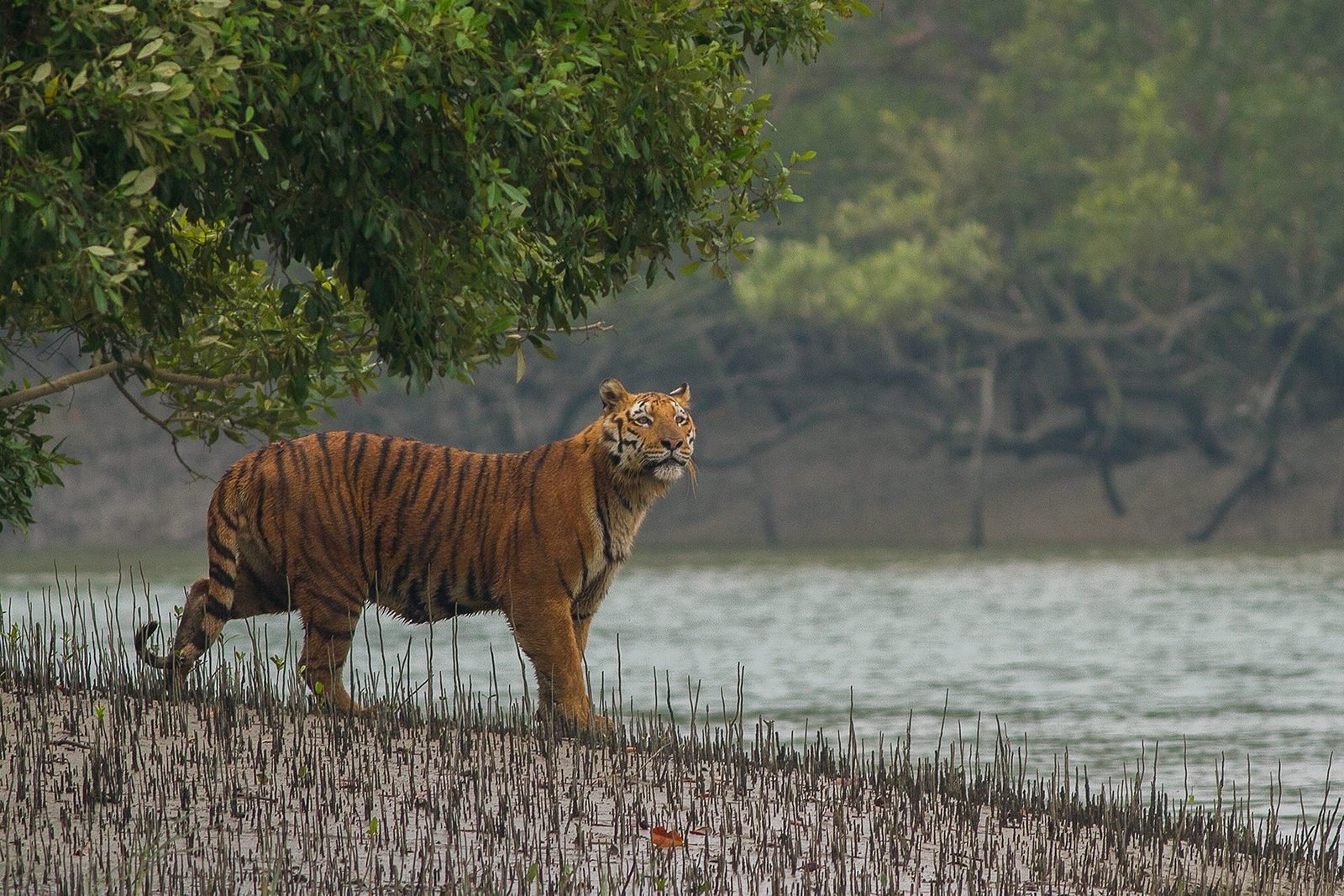
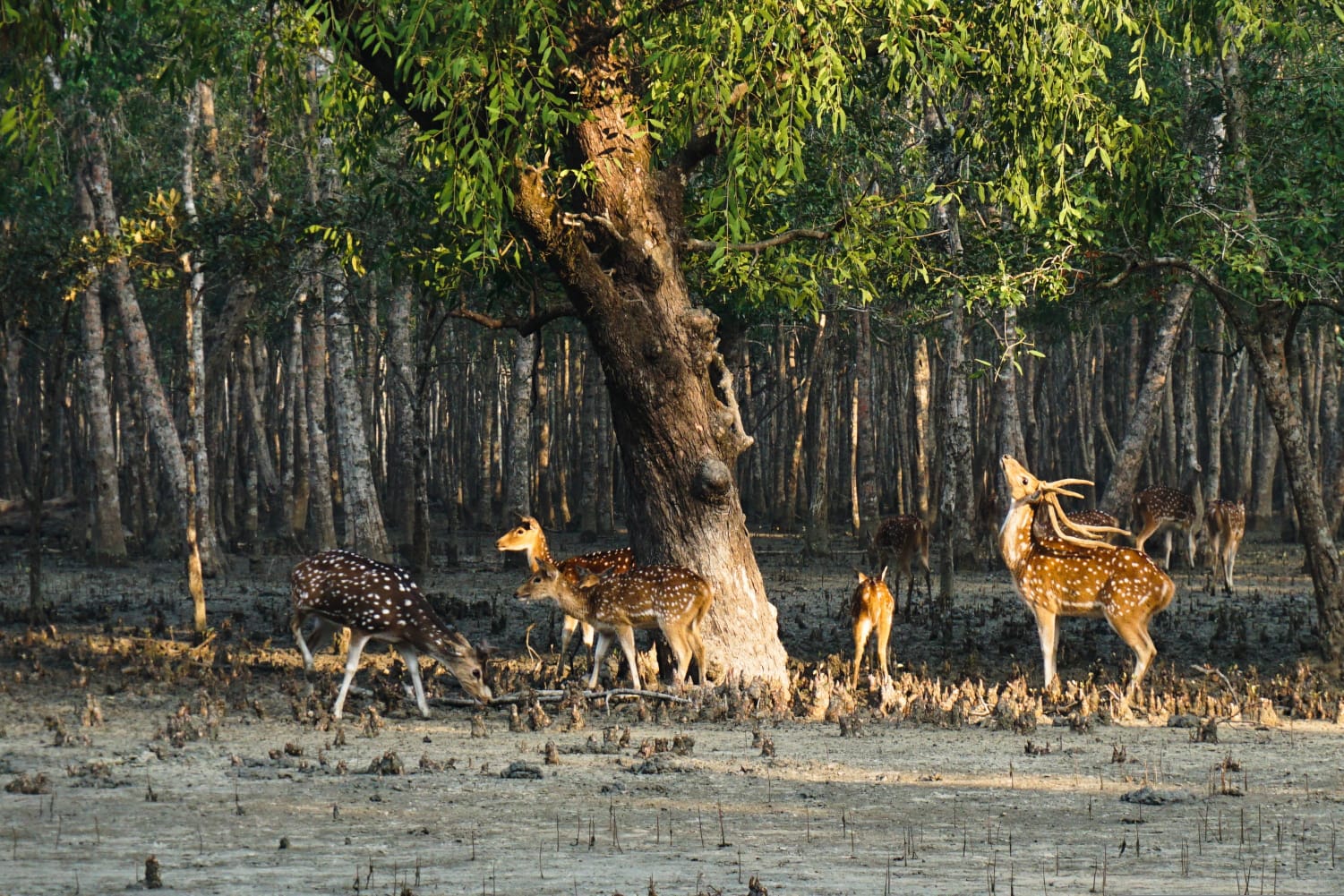
- Wildlife That Feels Wild: Nowhere else can you cruise through tiger territory in a boat and still feel the genuine possibility of an encounter. The Royal Bengal Tiger of the Sundarban is a powerful swimmer and a master of the mangrove. Alongside it live estuarine crocodiles, spotted deer, wild boar, fishing cats, otters, and the rare Irrawaddy and Ganges river dolphins.
- Nature in Its Rawest Form: The mangrove forest itself is the star. Pneumatophores — those strange pencil-like roots — poke through the mud. Trees grow on stilts. The water changes colour with the tide. At low tide, the exposed banks reveal fiddler crabs and mudskippers. At high tide, the forest seems to float.
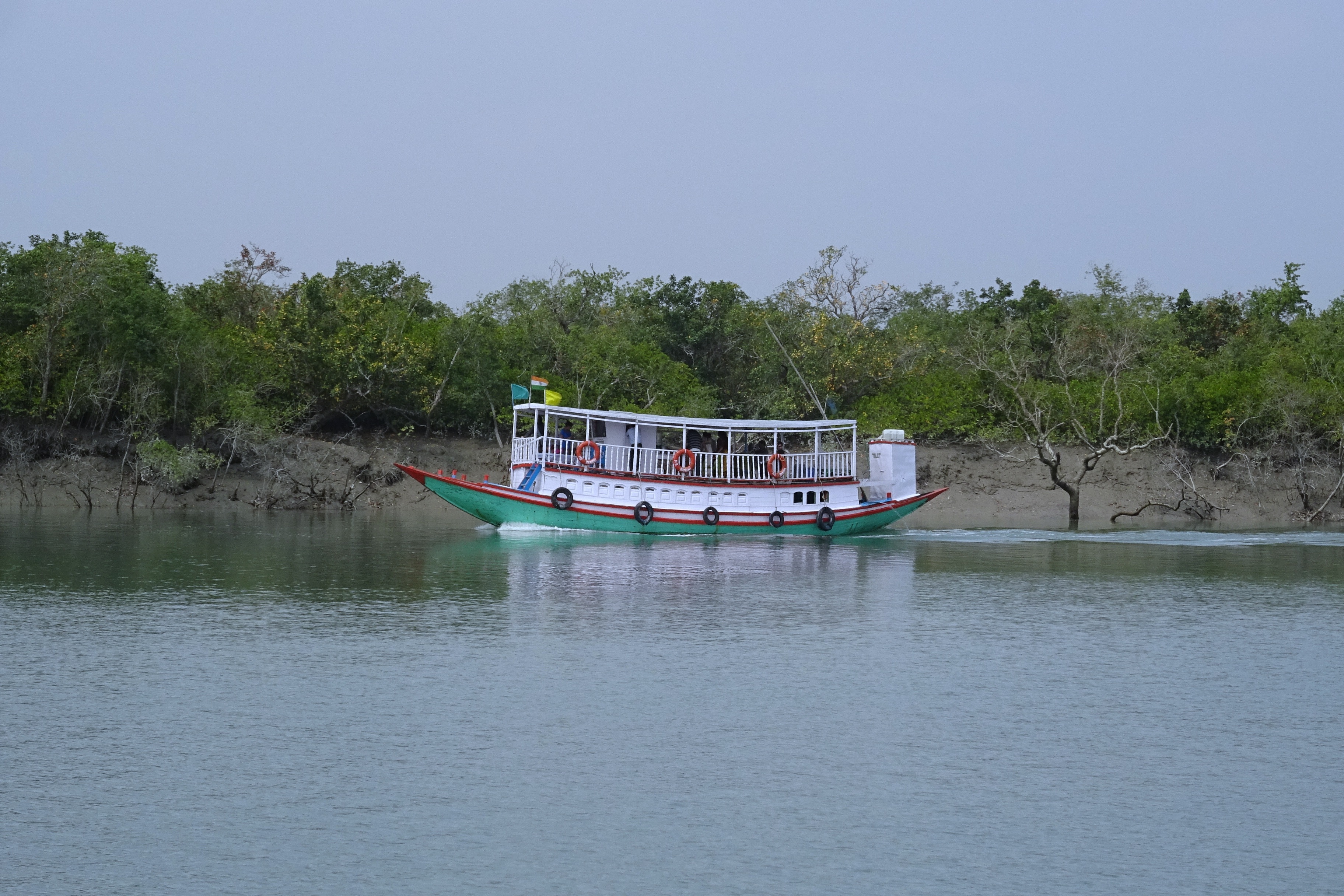
- River Cruises and Boat Safaris: A Sundarban boat safari is the only practical way to explore. Motor launches and country boats take you deep into the creeks. The silence between engine sounds is broken only by birds and the occasional splash of a crocodile sliding into the water.
- Bird Watching Paradise: Over 300 species of birds have been recorded. Winter brings migratory ducks, storks, and eagles. Resident kingfishers, herons, and egrets are present year-round. For serious birders, a Sundarban tour in December or January is exceptional.
- Village Life and Culture: Beyond the forest gates lie islands where people still live by fishing, crab collection, and honey gathering. A visit to a local village offers a glimpse of resilience and a culture deeply intertwined with the forest and the goddess Bonbibi.
- Photography and Adventure: Soft morning light on the water, the silhouette of a watch tower against the sky, a tiger track in the mud — the photographic opportunities are endless. For those who want a mild adventure, the Dobanki canopy walk and night stays at forest camps add an extra edge.
Best Tourist Attractions & Watch Towers
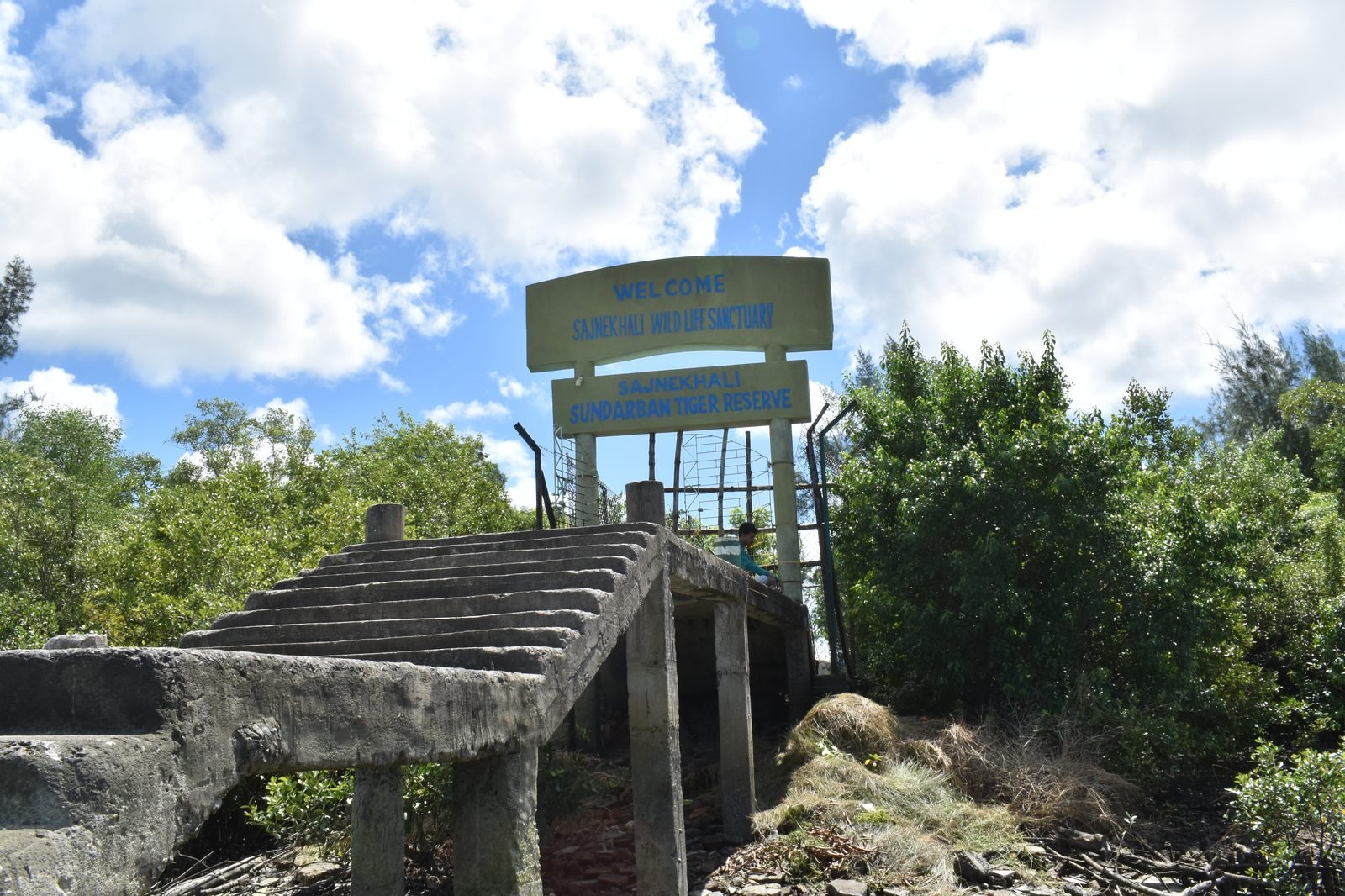
1. Sajnekhali Watch Tower - Location: Near the Sajnekhali Forest Range office, one of the main entry gates. - Importance: The most accessible and popular watch tower. It offers a wide view over the mangrove canopy, a freshwater pond where deer and wild boars congregate, and an educational Mangrove Interpretation Centre with exhibits on flora and fauna. - What to see: Deer, wild boar, rhesus macaques, resident kingfishers, monitor lizards, and occasionally a tiger moving through the dense thickets. - Travel tip: Arrive early morning to beat the peak tourist boats and enjoy silent birdwatching.
2. Sudhanyakhali Watch Tower - Location: Roughly 45 minutes by boat from Sajnekhali along narrow creeks. - Importance: Widely considered the best watch tower for wildlife encounters. Its central freshwater watering hole is protected by tall fencing and frequently attracts thirsty predators. - What to see: Highest historical record of tiger sightings among all watch towers, along with herds of spotted deer, wild boar, and openbill storks. - Travel tip: Spend at least an hour here quietly scanning the tree line and the edges of the sweet-water pond.
3. Dobanki Canopy Walk - Location: Deep within the tiger reserve, approached via scenic river channels. - Importance: Features a famous half-kilometre elevated walkway (canopy walk) protected by heavy-duty 20-foot-high iron grills. It allows visitors to walk safely above the forest floor and mangrove roots. - What to see: Canopy-dwelling birds, butterflies, tree crabs, spotted deer grazing below, and expansive views over the green mangrove roof. - Travel tip: Look down at the mud beneath the walkway for tidal mudskippers, red fiddler crabs, and animal pugmarks.
4. Netidhopani Watch Tower - Location: Further into the core zone; requires special permits. - Importance: A site rich in mythology and history. Houses the atmospheric ruins of a 400-year-old terracotta Shiva temple linked to the epic Bengali ballad of Manasa and Behula-Lakhindar. - What to see: Ancient brick structures half-swallowed by mangrove roots, deer, and superb river vantage points. - Travel tip: Requires a longer boat journey; typically included in 3-day safari itineraries.
5. Bonnie Camp Watch Tower - Location: High up near the southern edge of the forest facing the Bay of Bengal. - Importance: At 50 feet, it is the highest watch tower in the Indian Sundarbans. One of the few places with designated government eco-cottages for overnight wilderness stays. - What to see: Dramatic night sounds of the jungle, unhindered star-gazing, and early morning mist over pristine mangrove waterways.
6. Burirdabri Watch Tower & Mud Walk - Location: On the eastern border of the Indian Sundarbans adjoining Bangladesh, along the Raimangal river. - Importance: Features an innovative wooden cage walkway that extends directly into the mangrove mud, allowing close observation of crabs and molluscs, plus a watch tower looking towards Bangladesh.
7. Jharkhali - Location: Accessible by road from Kolkata via Canning and Basanti. - Importance: A rapidly growing eco-tourism hub with a tiger rescue and rehabilitation centre, butterfly garden, and children's park. Excellent starting point for travelers who prefer minimizing road-to-boat transfers.
8. Historical Bungalows: Sir Daniel Hamilton & Rabindranath Tagore - Location: Gosaba Island. - Importance: Sir Daniel Hamilton, a Scottish visionary, established a cooperative estate here in the early 1900s. Nobel laureate Rabindranath Tagore visited in 1932 and stayed in Hamilton's heritage wooden bungalow, admiring the cooperative spirit of the islanders.
9. Island Villages: Dayapur, Bali & Pakhiralay - Dayapur Island: Popular base for many premier riverside eco-resorts with comfortable amenities and direct jetty access. - Bali Island: Beautiful, peaceful rural community known for pioneering community-based conservation and women's self-help groups. - Pakhiralay: The liveliest island hub with local markets, souvenir stalls selling pure forest honey, and budget lodges.
Sundarban Wildlife: Royal Bengal Tigers, Crocodiles & Birds
Mammals and Reptiles The amphibious Royal Bengal Tiger (Panthera tigris tigris) reigns supreme here. Unlike any other tiger population, Sundarban tigers drink mildly saline water, swim across tidal currents miles wide, and hunt aquatic prey alongside terrestrial game.
Other key species include: - Estuarine Crocodiles (*Crocodylus porosus*): Reaching lengths over 18 feet, these apex aquatic predators are frequently spotted basking on mudbanks during winter low tides. - Spotted Deer (Chital): Abundant across all watchtower zones, forming large herds around freshwater ponds. - Wild Boar: A crucial prey base for tigers, commonly seen rooting along canal edges. - Fishing Cat: West Bengal's state animal, an agile nocturnal hunter adapted for wetland life. - River Dolphins: Both the Gangetic Dolphin and the rare, snub-nosed Irrawaddy Dolphin inhabit the deeper confluences of the delta.
Birds of the Sundarban With over 300 documented avian species, the Sundarban is an internationally recognized Important Bird Area (IBA): - Kingfishers: Eight distinctive species inhabit the creeks, including the Brown-winged Kingfisher, Black-capped Kingfisher, Pied Kingfisher, and the radiant Collared Kingfisher. - Raptors: White-bellied Sea Eagles, Crested Serpent Eagles, Ospreys, and the endangered Pallas's Fish Eagle soaring overhead. - Waders & Waterfowl: Lesser Adjutant Storks, Whimbrels, Eurasian Curlews, Black-headed Ibises, and Goliath Herons.
Complete Sundarban Boat Safari Guide
A river cruise is the heartbeat of every Sundarban expedition. Because there are no roads or jeep trails inside the national park, 100% of safari tracking happens from the water.
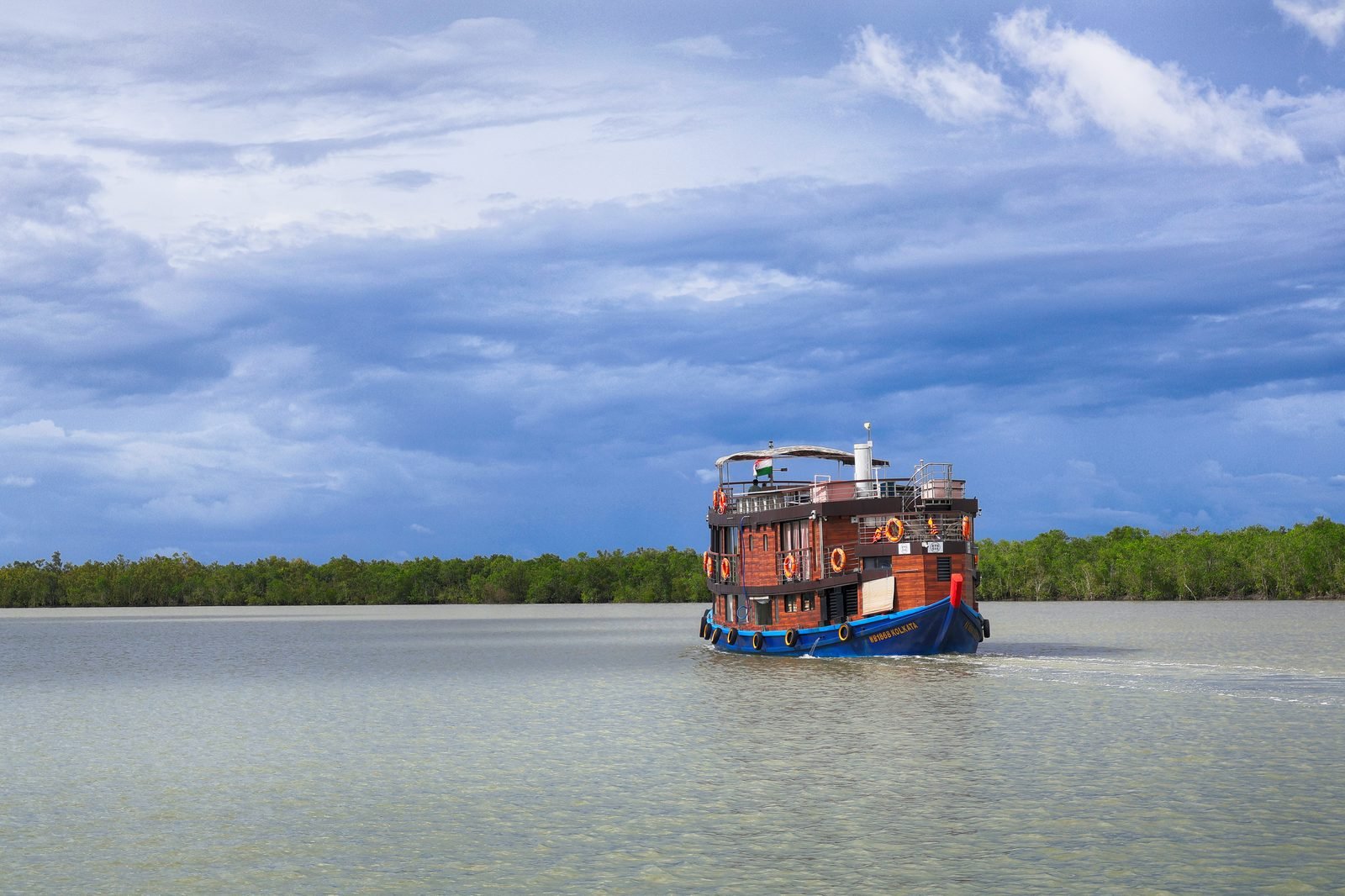
Types of Tourist Vessels - Medium Motor Launches (15–30 guests): The most popular and stable boats. Equipped with lower passenger seating cabins, dining tables, clean western toilets, and an elevated observation upper deck for photography. - Small Country Boats (Dinghies): Ideal for entering ultra-narrow, shallow channels (khals) where motor launches cannot navigate. Offers an intimate, silent nature immersion. - Luxury Chartered Cruisers: Designed for private groups with deluxe air-conditioned lounges, sun decks, ensuite bedrooms, and personal onboard chefs.
Safety Regulations & Forest Rules - All boats entering the tiger reserve must register at the Forest Department range office and carry a certified local naturalist guide plus an armed forest guard. - Every boat is legally required to provide approved life jackets for all passengers. - Traveling after sunset inside core sanctuary channels is strictly prohibited to prevent disturbing nocturnal wildlife.
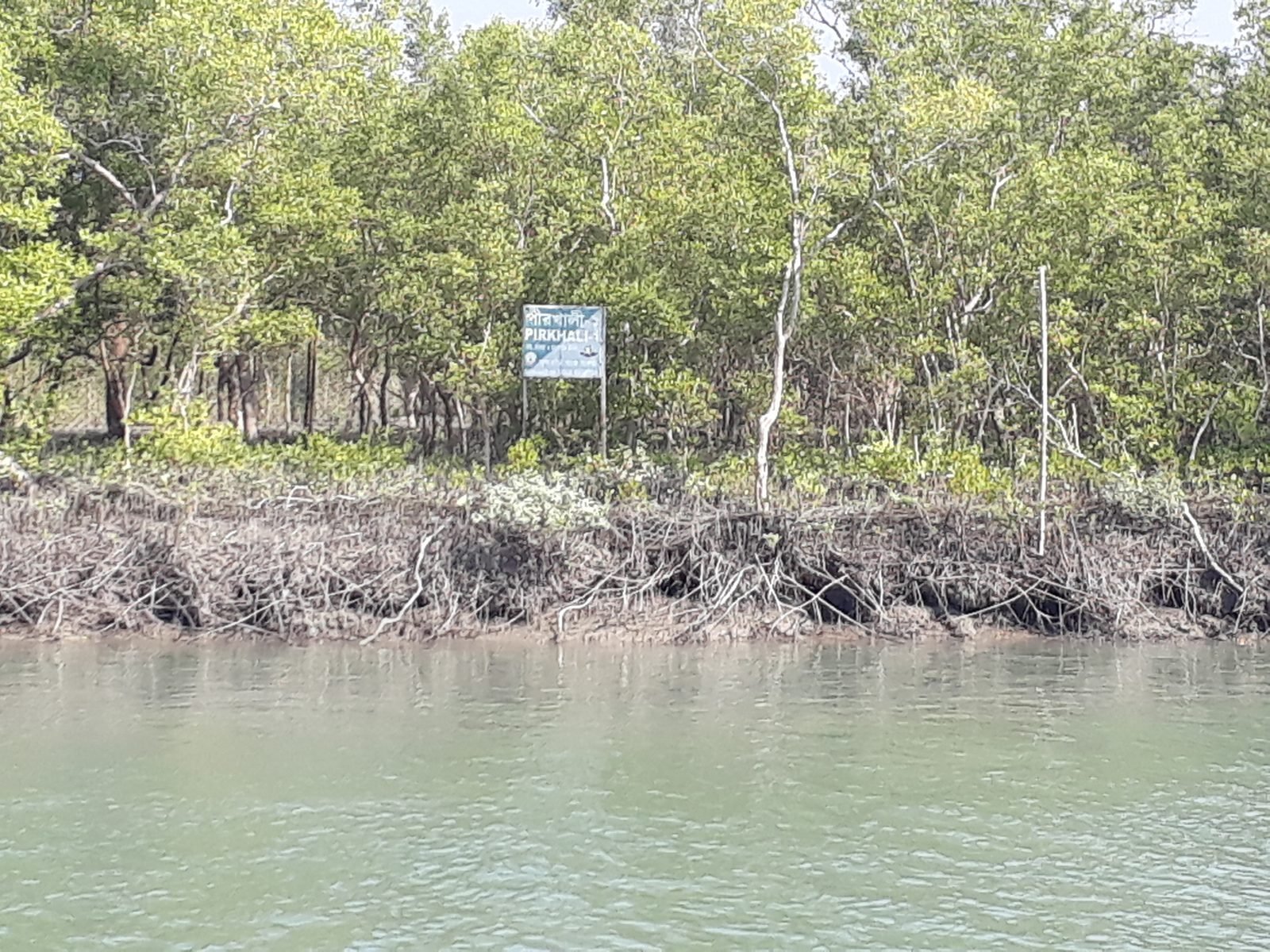
Tidal Secrets & Safari Timings Safari timing in the Sundarban is governed by lunar tides (Jowar - High Tide, and Bhata - Low Tide): - Low Tide (Golden Safari Hours): As water levels drop by several metres, wide slippery mudflats are exposed. Tigers and crocodiles emerge from dense brush to bask under the warm sun. - High Tide: High water allows vessels to navigate deep interior creeks like Pirkhali, Gazikhali, and Panchamukhani (the Five River Confluence).
Naturalist Pro-Tip: Keep binoculars ready at all times. Look not just for animals, but for fresh pugmarks in wet mudbanks, and listen intently for the shrill alarm barks of spotted deer and rhesus monkeys signalling a predator nearby.
Accommodation Comparison & Stay Options
Sundarban offers diverse accommodations ranging from rustic community homestays to high-end riverside resorts with swimming pools and modern AC amenities:
| Category | Approx. Price (Per Night) | Key Facilities & Amenities | Pros | Considerations |
| Standard Eco-Resort | ₹3,500 – ₹6,000 | AC / Non-AC rooms, attached bath, multi-cuisine dining | Great balance of comfort & budget | Fills up fast on winter weekends |
| Luxury Boutique Resort | ₹7,000 – ₹15,000+ | Deluxe cottages, landscaped lawns, swimming pool, premium buffet | Maximum comfort & scenic riverside views | Higher price point |
| Eco-Village Camp | ₹5,000 – ₹12,000 | Sustainable mud cottages, solar power, organic garden | Authentic eco-conscious nature stay | Can be located in quieter, remote islands |
| Local Homestay | ₹1,200 – ₹3,500 | Simple clean bedrooms, warm host family, home-style food | Deep cultural immersion | Basic amenities, shared facilities |
Authentic Local Bengali Cuisine & Forest Culture
Fresh River Feasts Sundarban travel is synonymous with lavish, slow-cooked Bengali delicacies prepared with river-fresh seafood: - Prawn Malai Curry & Golda Chingri: Jumbo freshwater river prawns braised in silky coconut milk and mild spices. - Spicy Mangrove Crab Curry: Thick mud crabs cooked in rich mustard-onion gravy with aromatic garam masala. - Fresh River Fish (Bhetki, Parshe, Tangra & Rui): Caught daily by local fishermen and pan-fried or simmered in light ginger-cumin broths. - Seasonal Hilsa (Ilish): Steamed in mustard paste (Shorshe Ilish) or fried crisp during post-monsoon months. - Winter Nolen Gur Sweets: Authentic date-palm jaggery rosgollas, payesh, and sandesh. - Pure Mouban Wild Honey: 100% natural, unpasteurized honey harvested straight from mangrove beehives.
Bonbibi: The Legend of the Mangrove Goddess No journey to Sundarban is complete without understanding the myth of Maa Bonbibi. Revered equally by Hindu and Muslim villagers, Bonbibi is the divine guardian mother of the forest. Before setting foot inside the jungle to collect honey, cut wood, or fish, islanders pray at Bonbibi shrines, seeking protection from Dokkhin Rai (the tiger deity). The dramatic rural folk theatre (Bonbibi Pala) performed by villagers in the evening brings this ancient forest lore vividly to life.
Best Season to Visit & Essential Packing Checklist
Seasonal Guide - Winter (November to February) — Best Overall: Crisp, pleasant sunny days (15°C to 24°C) with low humidity. Optimal time for tiger sightings, crocodile basking, and migratory birds. - Summer (March to May): Warm and humid (28°C to 36°C). Forest trails are quieter, honey harvesting is active, and animals gather reliably around freshwater ponds. - Monsoon (June to September): Lush emerald landscapes and swelling rivers. Recommended only for adventurous photographers who enjoy dramatic rain-swept river views.
Essential Safari Packing Checklist 1. Clothing: Lightweight cotton shirts and trousers in neutral earthy shades (olive green, beige, khaki, brown). Avoid bright neon colours which alert wild animals. 2. Sun Protection: Wide-brimmed safari hat, UV-blocking sunglasses, and high-SPF sunscreen lotion. 3. Warm Layers (Winter): Light fleece jacket, pullover, or shawl for chilly early morning boat breezes. 4. Footwear: Comfortable walking shoes with rubber grip for watchtowers and slip-on sandals for resorts. 5. Optics & Gear: High-magnification binoculars (8x42 or 10x42) and a camera telephoto lens (300mm to 600mm) with lens cleaning cloth. 6. Power & Health: High-capacity power bank (island electricity can experience outages), personal medicines, mosquito repellent cream, and hand sanitizer. 7. Official Documents: Valid Government Photo ID (Aadhaar, Passport, or Voter Card) — essential for obtaining Forest Department entry permits. 8. Cash: Carry adequate paper currency, as island ATMs are sparse and card machines often face network downtime.
Suggested 2 Nights 3 Days Tour Itinerary from Kolkata
This classic 2N/3D itinerary is universally recognized as the ideal sweet spot for exploring both core safari zones and village culture:
Day 1: Kolkata to Sundarban via Godkhali Jetty - 06:30 – 07:30 AM: Morning pickup from central Kolkata in an air-conditioned tourist vehicle. Drive through the rural South 24 Parganas countryside towards Godkhali jetty (approx. 3 hours). - 10:30 – 11:30 AM: Arrive at Godkhali, step aboard your private motor launch, and begin a picturesque river journey into the delta with welcome drinks. - 01:00 PM: Check in at your riverside eco-resort. Savor a traditional Bengali lunch feast featuring river fish and fresh vegetables. - 03:30 PM: Guided village walking tour. Interact with local honey-gatherers, explore mud-walled village courtyards, and visit the local Gosaba bazaar. - 06:00 PM: Enjoy hot tea and snacks while watching a mesmerizing river sunset. - 07:30 PM: Traditional tribal folk dance and Bonbibi Pala cultural performance by local village artists. - 08:30 PM: Sumptuous dinner at the resort restaurant followed by a peaceful overnight stay.
Day 2: Full-Day Deep Forest Safari & Watch Towers - 06:30 AM: Wake up to river mist and morning bird calls. Board the safari vessel and complete forest clearance permits at Sajnekhali Range. - 08:00 AM: Visit Sajnekhali Watch Tower, Crocodile Breeding Pond, Turtle Conservation Hatchery, and Mangrove Museum. Enjoy breakfast on boat. - 10:30 AM: Navigate through dense mangrove channels into Sudhanyakhali Watch Tower. Quietly observe the sweet-water pond for deer and tigers. - 01:00 PM: Freshly prepared hot lunch served on board while cruising through the Pirkhali and Gazikhali creeks. - 02:30 PM: Reach Dobanki Watch Tower and embark on the half-kilometre elevated Canopy Walkway 20 feet above the forest floor. - 04:30 PM: Cruise past Panchamukhani — the breathtaking junction where five mighty tidal rivers meet. - 05:30 PM: Return to the resort as twilight settles over the mangroves. - 08:30 PM: Special dinner with local chicken or crab delicacies; overnight stay.
Day 3: Heritage Island Tour & Return to Kolkata - 07:30 AM: Breakfast at the resort. - 08:30 AM: Visit historic Hamilton Bungalow and Rabindranath Tagore Bungalow on Gosaba Island to discover the delta's fascinating cooperative heritage. - 11:00 AM: Check out from the resort and board the launch for the return cruise to Godkhali. - 01:00 PM: Disembark at Godkhali jetty and board your AC vehicle for the return journey to Kolkata. - 04:30 – 05:30 PM: Drop-off at Kolkata (Science City, Airport, or Central points) with unforgettable wilderness memories.
Alternative Tour Packages (1D, 1N/2D, 3N/4D, Luxury)
- 1 Day Sundarban Tour: Same-day return designed for business travelers and weekenders with tight schedules. Departs Kolkata at 05:00 AM and includes 6 hours of motorized creek cruising.
- 1 Night 2 Days Tour: Ideal for a weekend escape with one overnight stay and an extended morning forest safari.
- 3 Nights 4 Days Deep Wilderness Safari: Tailored for passionate wildlife photographers and birders, extending safari routes all the way to Netidhopani, Burirdabri, and Bonnie Camp.
- Couple & Honeymoon Safari: Private luxury cottage stays, candlelight dining, and chartered motorboats for total privacy.
- Family & Kids Tour Package: Relaxed schedules, family suites, fenced watchtower visits, and kid-friendly meal options.
- Luxury Sundarban Tour: High-end boutique resort with swimming pool, private AC chauffeur transport from Kolkata doorstep, and premium motor launches.
Approximate Tour Cost Guide (2025–2026)
All-inclusive tour package pricing per person from Kolkata (covering round-trip vehicle transfer, motorized boat safaris, all meals, resort accommodation, forest permits, and naturalist fees):
| Safari Category | Budget Tour | Standard Comfort | Premium / Luxury |
| Kolkata Round-Trip Transfer | ₹1,500 – ₹2,500 (Shared/Train) | ₹2,500 – ₹4,000 (Shared AC) | ₹4,000 – ₹7,000 (Private Sedan) |
| Boat Safari (Daily Vessel & Fuel) | ₹1,800 – ₹2,500 | ₹2,500 – ₹3,500 | ₹4,000 – ₹6,000 (Private Launch) |
| Resort Accommodation (Per Night) | ₹1,500 – ₹3,000 | ₹3,500 – ₹6,000 | ₹7,000 – ₹15,000+ |
| Daily Meals & Refreshments | ₹800 – ₹1,200 | ₹1,200 – ₹1,800 | ₹2,000 – ₹3,500 |
| Forest Permits & Armed Guide | Included | Included | Included |
| Estimated Total 2N/3D Package | ₹6,000 – ₹9,000 | ₹10,000 – ₹16,000 | ₹20,000 – ₹35,000+ |
Note: Individual costs fluctuate based on group size, peak holiday weekends (Durga Puja, Christmas, New Year), and personalized vehicle options.
How to Reach Sundarban from Kolkata & Beyond
Starting from Kolkata (Most Popular Route) - By Road (Recommended): Drive via Baruipur–Canning highway or Basanti highway directly to Godkhali Ghat (85–100 km; approx. 3 to 3.5 hours). Go Sundarban Tour provides door-to-door AC vehicle pickups from anywhere in Kolkata. - By Local Train via Canning: Board the suburban local train from Sealdah South station to Canning (1 hour 15 minutes). From Canning station, take a private auto-rickshaw or taxi to Godkhali Ferry Ghat (approx. 45 minutes).
Starting from Other Major Indian Cities (Delhi, Mumbai, Bengaluru, Hyderabad) Fly into Netaji Subhas Chandra Bose International Airport (CCU) in Kolkata. Our pre-arranged private AC car will collect you right outside the arrivals terminal and escort you smoothly to the safari jetty.
Responsible Tourism & Conservation Rules
The Sundarban ecosystem is ecologically sensitive and vulnerable to climate change. Every visitor plays a crucial role in its preservation: - No Single-Use Plastics: The Sundarban Tiger Reserve is a strict zero-plastic zone. Never discard plastic bottles, wrappers, or cups into the river. - Maintain Silence on Boats: Loud music, shouting, and microphone announcements are prohibited inside sanctuary waters. Silence significantly enhances wildlife spotting odds. - Never Feed or Harass Wildlife: Do not toss bread, chips, or food items to monkeys or crocodiles. - Stay Inside Designated Areas: Never attempt to step off safari boats onto unauthorized mangrove mudbanks. - Support the Local Economy: Purchase authentic honey certified by the Forest Department, and hire licensed local guides who call the delta home.
Frequently Asked Questions (20 Q&As)
1. Is a Sundarban tour safe for solo travelers and families? Yes, absolutely. All registered tourist safari boats are accompanied by licensed West Bengal Forest Department guides and armed guards. Stays are arranged in secure, fenced riverside resorts.
2. What is the absolute best time for a Sundarban tour from Kolkata? The best months are November through February. Winter provides pleasant temperatures (15°C–24°C), low humidity, and the highest frequency of tiger and crocodile sightings on sunlit river banks.
3. Are tiger sightings guaranteed in the Sundarbans? No ethical tour operator can guarantee a tiger sighting. The Sundarban is an untamed wilderness covering thousands of square kilometres. However, an experienced naturalist guide maximizes your chances by reading tidal timings, pugmarks, and deer alarm calls.
4. How many days are ideal for a fulfilling Sundarban tour? A 2 Nights 3 Days tour is widely regarded as the perfect duration. It allows ample time to visit the major watch towers (Sajnekhali, Sudhanyakhali, Dobanki) without feeling rushed.
5. Are luxury resorts with AC and swimming pools available? Yes. Several boutique eco-resorts on Dayapur and nearby islands offer luxury air-conditioned cottages, swimming pools, multi-cuisine dining, and modern attached bathrooms.
6. Can elderly travelers and young children manage the tour? Yes. Boat safaris are gentle and stable, with comfortable chair seating on covered decks. Watchtowers feature gentle ramps and railed walkways.
7. Do I need special permits to visit the Sundarban Tiger Reserve? Yes. Forest entry permits, boat navigation clearances, and camera fees are mandatory. When booking an all-inclusive package with Go Sundarban Tour, our team handles all permit paperwork in advance.
8. What mobile network has coverage in the Sundarbans? BSNL, Jio, and Airtel offer intermittent connectivity near populated island hubs like Gosaba and Pakhiralay. Inside the deep core forest, cell service is patchy or completely absent.
9. Can vegetarian and Jain travelers find suitable food? Yes. Resorts and boat chefs readily cater to pure vegetarian and Jain dietary preferences with dedicated, freshly cooked meals upon prior notice.
10. Is there a high risk of malaria in the Sundarbans? The delta is not classified as a high-risk malaria zone, but standard mosquito repellent creams and wearing long-sleeved evening clothing are strongly advised.
11. Can I visit the Sundarbans during the monsoon season? Yes, the forest is open year-round. Monsoons showcase vibrant emerald vegetation, but heavy downpours and choppy river currents make it less suitable for first-timers.
12. How far is Sundarban from Kolkata city? The boarding jetty at Godkhali is approximately 95 to 105 km southeast of Kolkata. The road journey takes about 3 to 3.5 hours, followed by a 1 to 1.5-hour scenic boat cruise to your resort.
13. Are ATM facilities available in the Sundarbans? ATMs are extremely limited and frequently run out of cash or experience power cuts. Always withdraw sufficient cash in Kolkata before departing.
14. What is the difference between the Indian and Bangladesh Sundarbans? The Indian side covers roughly 40% of the total mangrove delta and has far superior tourism infrastructure, closer proximity to an international airport (Kolkata), and well-established watchtowers.
15. Is a same-day 1-day trip to Sundarban worth it? While a 1-day trip is technically possible for travelers with limited time, an overnight stay (at least 1N/2D or 2N/3D) is strongly recommended to truly experience the morning mist, wildlife activity, and village culture.
16. Is photography allowed, and do I need to pay camera fees? Yes, personal photography is permitted. Standard entry permits include mobile cameras, while professional DSLRs with telephoto lenses may incur nominal forest department charges.
17. What color clothing should I wear during the safari? Wear muted, earthy tones such as olive green, khaki, beige, and brown. Avoid bright red, yellow, or neon colors that can frighten birds and animals.
18. Are the safari boats safe and equipped with life jackets? Yes. Registered tourist launches undergo mandatory Forest Department fitness inspections and carry certified life jackets, first-aid kits, and fire extinguishers.
19. Can tourists stay overnight inside the core forest area? Overnight stays inside the core sanctuary are strictly forbidden, with the rare exception of government-designated forest rest houses like Bonnie Camp, which require special prior permissions.
20. How do I book a certified, reliable Sundarban tour package? Choose an authorized local operator with verified customer reviews, transparent inclusions, dedicated tourist vessels, and certified naturalist guides like Go Sundarban Tour.
Final Thoughts: Plan Your Sundarban Adventure
A Sundarban expedition is one of the last great wilderness journeys left on the planet. It offers the rare privilege of cruising through an ancient living mangrove delta, tracking tigers across tidal mudbanks, and connecting with island communities whose lives are guided by the ebb and flow of the sea.
Travel with patience, respect forest protocols, and embrace the silence of the rivers. The wild channels of Bengal are calling — and Kolkata is just a scenic morning drive away.
Table of Contents
- 1.What Exactly Is the Sundarban?
- 2.Why Visit Sundarban? (Wildlife & Nature)
- 3.Best Tourist Attractions & Watch Towers
- 4.Sundarban Wildlife: Tigers, Crocs & Birds
- 5.Complete Sundarban Boat Safari Guide
- 6.Accommodation Comparison & Stay Options
- 7.Authentic Bengali Cuisine & Forest Culture
- 8.Best Season to Visit & Packing Checklist
- 9.2 Nights 3 Days Tour Itinerary from Kolkata
- 10.Alternative Tour Packages (1D, 1N/2D, Luxury)
- 11.Sundarban Tour Cost Guide (2025–2026)
- 12.How to Reach Sundarban from Kolkata
- 13.Responsible Tourism & Forest Rules
- 14.Frequently Asked Questions (20 Q&As)
- 15.Final Thoughts: Plan Your Adventure
Debraj Sarkar (Lead Naturalist)
Go Sundarban Tour Wildlife & Research Team
Dedicated to conservation, ethical safari education, and showcasing the beauty of the Bengal delta.
Experience Sundarban In Person
All-inclusive packages with AC transfers, boat safaris & authentic Bengali buffet.
View Tour PackagesRelated Articles & Guides
View All Articles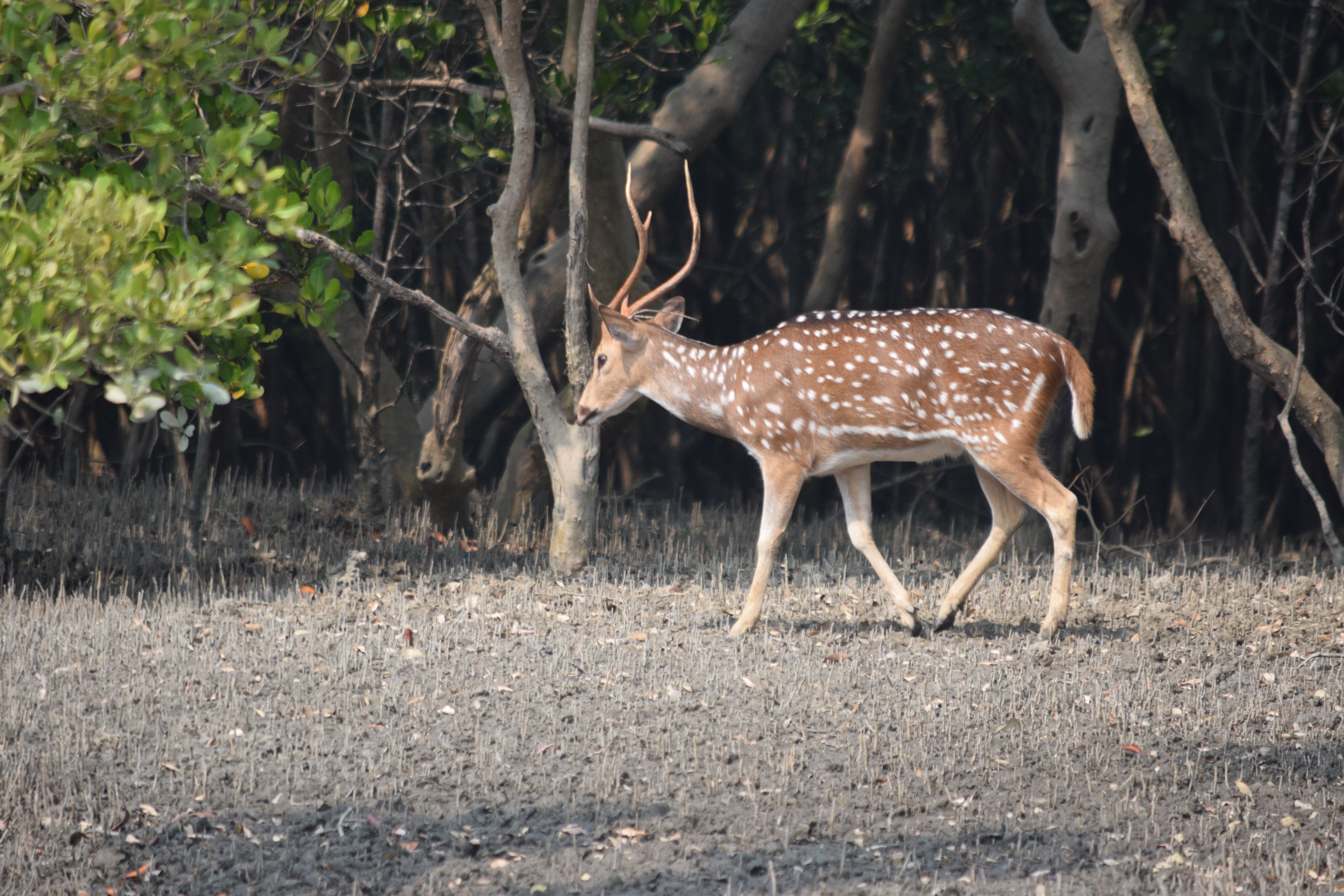
Ready For Your Unforgettable Sundarban Safari?
Reserve your seats today with a minimal advance. Certified naturalist guides, luxury river vessels, and authentic Bengali feasts await you.